
A testimonial is a customer’s statement highlighting their experience with a product or service. Authentic feedback serves as a powerful tool for businesses, shaping perceptions, building trust, and reassuring prospects about quality and satisfaction.
In today’s competitive market, showcasing testimonials can strengthen credibility, enhance reputation, and foster loyalty. This article will cover different types of testimonials, strategies for displaying them, and best practices to maximize their impact on customer engagement and conversions.
- Understanding Testimonials
- Types of Testimonials
- The Benefits of Using Testimonials
- How to Gather Testimonials
- Best Practices for Showcasing Testimonials
- Featured Testimonial Plugin: GS Solid Testimonials
- How to Integrate it Into Your Website
- Common Mistakes to Avoid When Showcasing Testimonials
- FAQs
- Conclusion
Understanding Testimonials
Testimonials are powerful endorsements from customers or clients that highlight their positive experiences with a product or service. They serve as social proof, demonstrating to potential clients that others have found value in what you offer. Testimonials can vary in format, each serving a unique purpose and appeal.
What Constitutes a Testimonial?
A testimonial typically includes a brief statement from a customer expressing their satisfaction with a product or service. It often highlights specific benefits or results achieved through the use of the product. Authenticity is key; real testimonials should come from actual users who can share their genuine experiences.
The effectiveness of a testimonial is greatly enhanced when it includes the customer’s name, photo, and any relevant details about their use of the product.
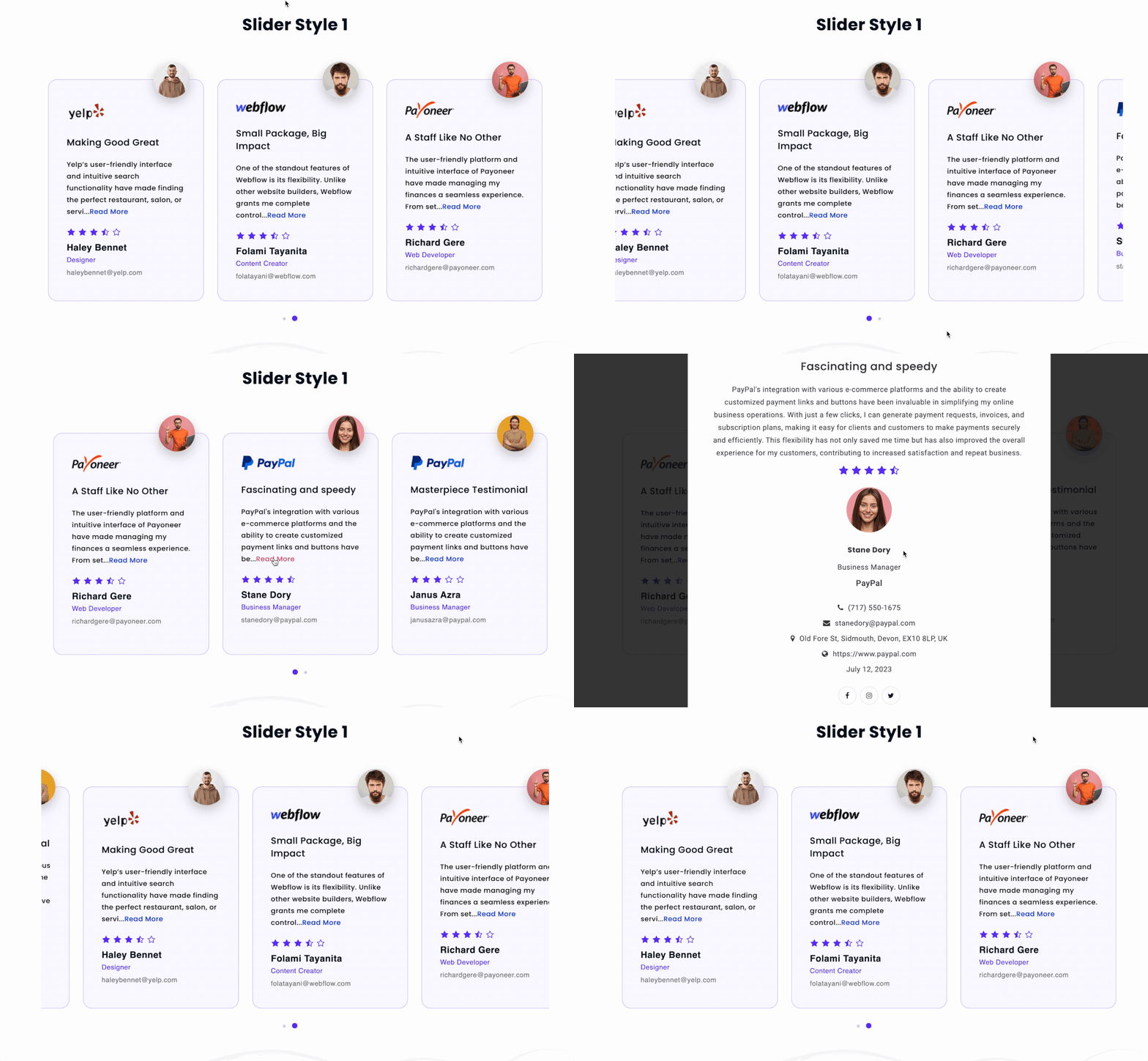
Different Forms of Testimonials
Let’s have a look at different forms of testimonials
- Written Testimonials: The most common type, these text-based endorsements can be added to websites, marketing materials, or social media. They are easy to edit and adapt for different platforms.
- Video Testimonials: More personal and engaging, video reviews let potential clients see and hear real customer satisfaction. They convey emotion and can be shared across websites, social media, and video platforms.
- Case Studies: Detailed stories that highlight a customer’s challenges, solutions, and results. Ideal for B2B marketing, they demonstrate how your product or service solves real problems.
- Social Media Testimonials: Informal reviews from comments, posts, or shares that show customer experiences in real time. They reflect genuine sentiment and boost credibility.
By leveraging these different types of client reviews, businesses can build credibility and foster trust with their audience.

Types of Testimonials
Client reviews come in various types, each serving distinct purposes in building trust and credibility for a business. Here are three key types of testimonials:
Customer Reviews
- Definition: Customer reviews are feedback provided by individuals who have purchased or used a product or service. They often appear on websites, review platforms, and social media.
- Impact: These reviews help potential customers gauge the quality and effectiveness of an offering. Positive reviews can significantly influence purchasing decisions, as they provide social proof and authentic experiences.
- Considerations: Encourage customers to leave reviews after their purchase to gather more testimonials. Responding to reviews, both positive and negative, can also show prospective customers that you value feedback.
Case Studies
- Definition: Case studies are in-depth analyses of a specific customer’s experience with a product or service. They detail the challenges faced, solutions provided, and results achieved.
- Impact: Case studies are particularly valuable for B2B companies, as they provide concrete examples of how your offering can solve problems and deliver results. They often include metrics and data to support claims, making them persuasive tools.
- Considerations: Collaborate with satisfied customers to create case studies that showcase their journey. Ensure that the case study is well-structured and visually appealing to enhance readability.
Expert Endorsements
- Definition: Expert endorsements come from industry professionals or influencers who provide their opinions on a product or service. These endorsements can lend authority and credibility to your brand.
- Impact: An endorsement from a recognized expert can significantly boost trust, as potential customers may be more inclined to believe in a product’s efficacy when it comes recommended by someone knowledgeable in the field.
- Considerations: Build relationships with industry experts and influencers who align with your brand values. Their authentic endorsement can reach a wider audience and enhance your brand’s reputation.
By leveraging these types of testimonials effectively, businesses can create a comprehensive strategy for building trust and encouraging potential customers to engage with their offerings.
The Benefits of Using Testimonials
User feedback serves as a powerful marketing tool that can significantly impact a business’s success. Here are three key benefits of utilizing customer feedback effectively:

Enhancing Credibility and Trust
Recommendations build credibility by showing real user feedback that potential customers can trust. Authentic endorsements humanize a brand, prove its value, and foster loyalty by encouraging consumers to return to a trusted business.
Influencing Potential Customers’ Decisions
In today’s market, customers want reassurance before buying. Testimonials provide that by sharing real experiences, highlighting benefits, and addressing concerns. Positive reviews build confidence, overcome objections, and influence decisions, often leading to higher conversions and more sales.
Providing Social Proof
Social proof is when people look to others’ actions and opinions to guide their own. User reviews act as social proof, showing that others had positive experiences with a product or service. In today’s digital world, reviews strongly influence buying decisions.
Displaying endorsements and testimonies increases credibility, fosters trust, and motivates clients to act. Simply put, adding testimonials to your marketing strategy strengthens your brand and supports business growth.

How to Gather Testimonials
Gathering testimonials can be a strategic process that enhances the quality and authenticity of the feedback you receive. Here are some effective methods to gather meaningful testimonials:
Asking for Testimonials Effectively
To collect valuable customer reviews, you need to ask for them thoughtfully. Start by identifying satisfied customers who have had positive experiences with your product or service. When making the request, be specific about what you want them to address.
Instead of a generic request, guide them with questions like, “What problem did our product solve for you?” or “How has your experience with our service been?” This specificity encourages detailed and relevant responses, making the testimonials more impactful.
Timing and Context for Requests
Timing is crucial when asking for testimonials. Aim to request feedback shortly after a positive experience, such as a purchase or the completion of a service. At this point, customers are likely to feel satisfied and willing to share their thoughts.
Additionally, consider the context in which you make your request. For example, you could email them to thank them for their business and ask for feedback. This approach shows appreciation and increases the likelihood of a positive response.
Tips for Encouraging Authentic Responses
Encouraging authentic testimonials is essential for credibility. To achieve this, emphasize that you value honest feedback, whether positive or constructive. Make the process easy by providing a simple form or platform for submission.
Additionally, consider offering incentives, such as discounts or entries into a giveaway, to motivate customers to share their experiences. However, ensure that the incentives do not compromise the authenticity of the testimonials.
Lastly, showcasing existing testimonials can inspire others to contribute their feedback, creating a cycle of engagement that enriches your brand’s reputation.
By employing these strategies, you can effectively gather testimonials that enhance your brand’s credibility and influence potential customers.

Best Practices for Showcasing Testimonials
Showcasing testimonials effectively can significantly enhance your brand’s credibility and influence potential customers. Here are some best practices for displaying testimonials on your website and marketing materials:
Placement on Your Website
The placement of testimonials on your website is crucial for visibility and impact. Ideally, your homepage should prominently feature testimonials, as this often serves as the initial point of contact for visitors. Consider dedicating a specific section for testimonials, such as a “What Our Customers Say” area.
Additionally, including testimonials on product or service pages can reinforce trust right before potential customers make a decision. For maximum effectiveness, consider placing a few testimonials on landing pages to enhance conversion rates.
Formatting and Presentation Styles
- Quote Formatting: Use quotation marks and italicize the text to clearly differentiate testimonials from other content. This helps establish that the words are from customers, adding authenticity.
- Highlighting Key Points: Identify and highlight key points within that resonate with potential customers. This can be done through bolding or using a different font style to draw attention to specific phrases or results. For instance, phrases like “exceeded my expectations” or “increased my sales by 30%” can be especially impactful.
- Incorporating Visuals: Whenever possible, include photos of the customers alongside their testimonials. This personalizes the feedback and adds a visual element that can enhance trust. Video testimonials can also be incredibly powerful, as they allow potential customers to see and hear real experiences.
Using Testimonials in Marketing Materials
Incorporating testimonials into your marketing materials, such as brochures, email campaigns, or social media posts, can further amplify their impact. Use snippets from customer insights as attention-grabbing quotes in promotional content. This not only enhances credibility but also provides social proof, which can influence purchasing decisions.
Regularly updating your marketing materials with fresh reviews ensures that your content remains relevant and engaging. By implementing these best practices, you can effectively showcase testimonials to build trust and encourage potential customers to engage with your brand.
Featured Testimonial Plugin: GS Solid Testimonials

Solid Testimonials is a powerful plugin designed to display client testimonials easily, reviews, and quotes on WordPress websites. With various layouts like sliders, grids, and masonry, it offers flexibility in showcasing testimonials across posts, pages, or custom templates.
Its user-friendly interface includes a shortcode generator, allowing you to create and preview client reviews in real time. The plugin is fully responsive, ensuring a smooth display on all devices. Beginners and advanced users alike can benefit from its intuitive design, making it a go-to tool for adding credibility to websites through client feedback.
Key Features and Benefits
- Versatile Layouts: Choose from sliders, grids, or masonry formats for displaying testimonials in unique styles.
- Shortcode Generator: Easily generate custom shortcodes with live previews to fine-tune how testimonials are displayed.
- Customization Options: Control colors, fonts, and testimonial layout to match your website’s aesthetic.
- Submission Forms: Allow users to submit their feedback directly via customizable forms.
- Responsive Design: Ensure that testimonials look great on all devices, whether desktop, tablet, or mobile.
How to Integrate it Into Your Website
To integrate GS Solid Testimonials, simply install and activate the plugin through your WordPress dashboard. Once installed, you can create showcases for client comments and reviews by using the Shortcode Generator in the plugin’s settings. The shortcode can be placed on any post or page, and you can customize the display with the plugin’s settings panel.
For seamless integration, you can also use page builders like Elementor or WPBakery. The plugin’s flexibility and ease of use make it a great addition to any website looking to boost trust through client feedback.
Common Mistakes to Avoid When Showcasing Testimonials
To ensure your testimonials effectively build trust and credibility, avoid these common mistakes:
- Overlooking Authenticity: Testimonials that seem fake or overly polished can harm your credibility. Always use real customer feedback with names, photos, or videos to keep testimonials genuine and relatable. Steer clear of scripted or unrealistically positive language.
- Using Vague or Generic Testimonials: Statements like “Great service!” lack detail. Instead, opt for customer feedback with specific, personal experiences or measurable results, such as “Their team helped us increase sales by 20%,” which provides clear value.
- Neglecting to Update Testimonials: Outdated reviews can make your business appear stagnant. Regularly refresh testimonials to reflect recent successes and maintain relevance, signaling growth and customer satisfaction.
By addressing these mistakes, your testimonials will remain authentic, engaging, and effective in influencing potential customers.

FAQs
Why are testimonials important for a business website?
Testimonials build trust and credibility by showing real customer experiences. They reassure potential clients that your product or service delivers on its promises.
What are the best ways to display testimonials on a website?
You can showcase testimonials through sliders, grids, video reviews, case studies, or dedicated testimonial pages. Each format helps highlight positive feedback in different ways.
How many testimonials should I display on a page?
It is best to show 3–6 testimonials per page section. Too many at once can overwhelm visitors, while a focused selection keeps the feedback impactful.
Should testimonials include customer photos or videos?
Yes. Adding photos or videos makes testimonials more authentic and relatable, increasing trust and engagement compared to plain text.
Can testimonials improve SEO and conversions?
Absolutely. Fresh testimonials count as user-generated content, which can boost SEO. They also influence buying decisions, often leading to higher conversions.
Conclusion
In conclusion, testimonials are a powerful way to build trust, credibility, and social proof. By sharing authentic feedback through reviews, videos, or case studies, businesses can connect with their audience and influence purchasing decisions.
Encourage happy customers to share their experiences and showcase them with a reliable tool like GS Solid Testimonials. Adding testimonials to your website and marketing efforts boosts confidence, drives conversions, and strengthens long-term success.

Leave a Reply