
In marketing, testimonials are powerful endorsements from satisfied customers that highlight the quality and reliability of a product or service. They play a crucial role in building trust and credibility, as potential buyers often seek social proof before making a decision.
Two popular formats for displaying a testimonial are testimonial carousel and the static review. Testimonial carousels present multiple endorsements in a rotating slider, while static reviews showcase testimonials prominently on a webpage.
This article aims to compare the effectiveness of testimonial carousels and static reviews, exploring their benefits and drawbacks, user experience, and practical considerations. Understanding these formats will help businesses choose the best way to leverage testimonials for maximum impact.
Understanding Testimonial Carousels
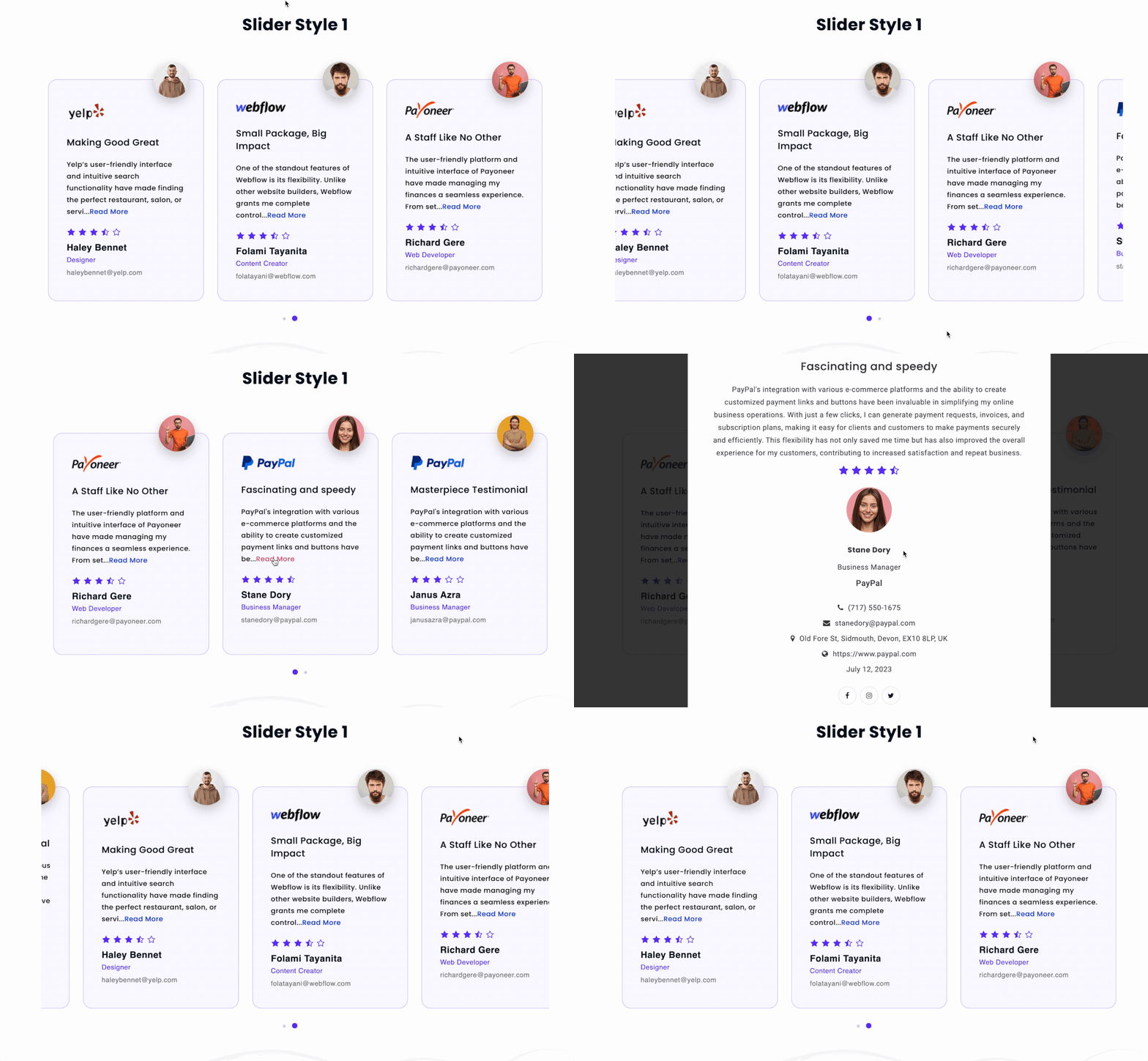
A testimonial carousel is a dynamic feature on a website that displays customer reviews in a rotating format. It allows users to see multiple testimonials without overwhelming them with information all at once.
How They Work
Testimonial carousels can operate in two ways: automatic rotation, where testimonials change after a set time, or manual control, allowing users to navigate through the testimonials at their own pace. This flexibility enhances user interaction with the content.
Common Design Elements
Common design elements include sliders and animations that make the testimonials visually appealing and engaging. These elements capture the viewer’s attention and encourage them to read the reviews.
Benefits of Using Testimonial Carousels
Space-Saving Design
One of the main benefits of using testimonial carousels is their space-saving design. By rotating multiple testimonials in a compact format, they help keep the webpage clean and organized.
Engaging Visual Format
This engaging visual format attracts attention and encourages visitors to read the reviews, enhancing the overall user experience. The movement of testimonials can draw users in, making them more likely to engage with the content.
Enhanced Storytelling
Additionally, testimonial carousels allow for enhanced storytelling, as they can showcase a variety of customer experiences and feedback in one place. This not only builds credibility but also provides potential customers with different perspectives on the product or service.
Potential Drawbacks of Testimonial Carousels
Risk of Information Overload
Despite their advantages, testimonial carousels do have some potential drawbacks. One concern is the risk of information overload if the testimonials change too quickly, making it difficult for users to read and absorb the content. This can lead to frustration and disengagement.
Accessibility Concerns
Additionally, accessibility can be an issue for users with disabilities, as some carousel designs may not be compatible with screen readers or keyboard navigation. It’s essential to ensure that all users can access the information.
Possible Confusion
Lastly, if not well-designed, testimonial carousels can confuse users, especially if the navigation is unclear or the transition effects are distracting. Balancing aesthetics and functionality is essential for maximizing their effectiveness.
Elementor Testimonial Carousel
Elementor is a popular WordPress page builder that allows users to create visually appealing websites without needing coding skills. With its drag-and-drop interface, Elementor makes it easy for anyone, from beginners to experienced developers, to design custom layouts. The plugin offers various widgets and templates, enabling users to enhance their sites’ functionality and aesthetics effortlessly.
How to Create a Testimonial Carousel Using Elementor
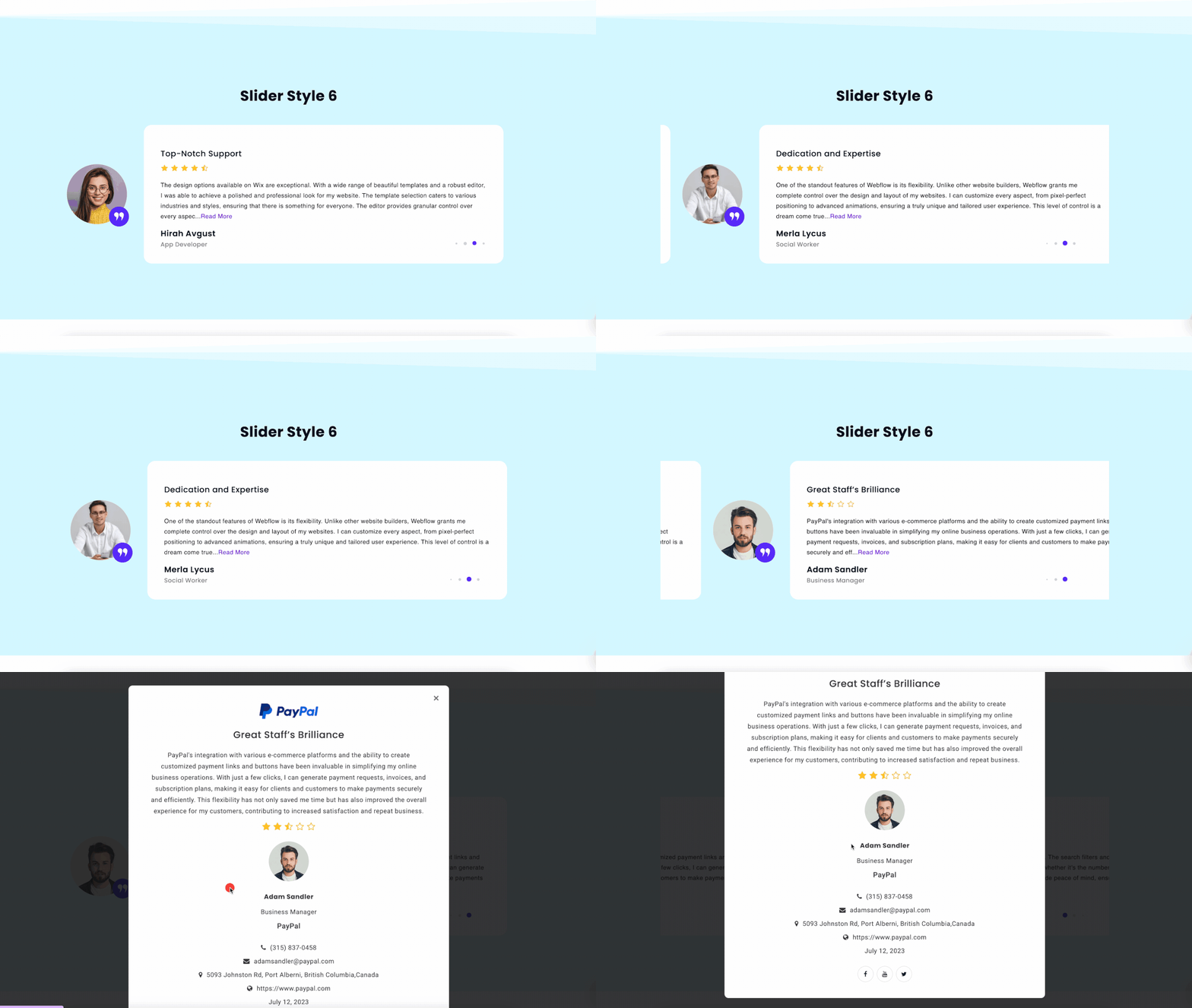
Creating an Elementor testimonial carousel is straightforward. First, install and activate the Elementor plugin on your WordPress site. Next, create or edit a page with Elementor and drag the Testimonials widget onto your canvas. You can then add customer testimonials, including names, images, and star ratings. To transform it into a carousel, adjust the settings by enabling the carousel option and customizing the transition effects. You can also control the speed of rotation and set the number of testimonials displayed at once.
Key Features and Benefits of Using Elementor for Testimonials
Elementor offers a user-friendly interface, ensuring easy customization of testimonial designs. Its responsive features guarantee that carousels look great on all devices. Moreover, integrating Elementor with other plugins enhances functionality, making it a powerful tool for showcasing customer feedback effectively.
Exploring Static Reviews
Static reviews are fixed testimonials displayed on a webpage, presenting customer feedback in a straightforward manner. Unlike testimonial carousels, static reviews do not rotate; instead, they remain in one place for users to read at their own pace.
Common Formats
Common formats for static reviews include text, images of the reviewers, and star ratings. These elements make it easy for potential customers to understand the level of satisfaction associated with a product or service.
Benefits of Using Static Reviews
Clear and Easy to Read
One of the main benefits of static reviews is that they are clear and easy to read at the user’s pace. Visitors can take their time to absorb the information without feeling rushed by rotating testimonials.
Better for SEO
Additionally, static reviews can be better for SEO (Search Engine Optimization). They allow for keyword integration and can generate rich snippets in search results. This can improve a website’s visibility in search engines, attracting more potential customers.
Detailed, In-Depth Feedback
Furthermore, static reviews provide the opportunity for detailed, in-depth feedback from customers. This allows businesses to showcase specific experiences and elaborate on various aspects of their products or services.
Potential Drawbacks of Static Reviews
Less Visually Engaging
Despite their advantages, static reviews have some potential drawbacks. They tend to be less visually engaging compared to testimonial carousels, which might make them less appealing to some users.
Limited Space for Showcasing Testimonials
Additionally, static reviews offer limited space for showcasing multiple testimonials. If a business has many satisfied customers, it may be challenging to present all of that feedback effectively.
Risk of Appearing Outdated
Lastly, static reviews may appear outdated if not regularly updated. If testimonials are old or no longer relevant, they can create a negative impression and lead potential customers to question the business’s current quality and service. Keeping testimonials fresh and relevant is crucial for maintaining credibility.
Comparing User Experience
When comparing testimonial carousels and static reviews, one key aspect is engagement levels. Testimonial carousels often generate higher user interaction, as they entice users to click through multiple testimonials. This can result in increased time spent on the page, as visitors may linger longer to read various reviews.
In contrast, static reviews might receive fewer clicks but can still engage users effectively through clear and accessible content.
Impact of Design and Layout
The design and layout of both formats significantly affect user engagement. A well-designed testimonial carousel with appealing animations and easy navigation can capture attention, while a cluttered or confusing layout may deter users. Static reviews benefit from straightforward layouts that allow users to absorb information quickly without distractions.
Readability and Accessibility Considerations
Readability is crucial for both formats. For testimonial carousels, ensuring legibility is essential, especially if testimonials change rapidly. High contrast between text and background helps users read easily. Static reviews can also enhance readability by using clear fonts and structured layouts.
Accessibility is another important consideration. Testimonial carousels should incorporate features for screen readers and enable keyboard navigation so all users can engage with the content. Static reviews naturally lend themselves to accessibility due to their fixed nature, but they still need to follow best practices for inclusivity.

Emotional Impact and Trust-Building
The layout of testimonials plays a significant role in influencing customer perceptions of trustworthiness. A clean and professional design can foster trust, while a cluttered or poorly designed format may raise doubts.
Role of Visuals
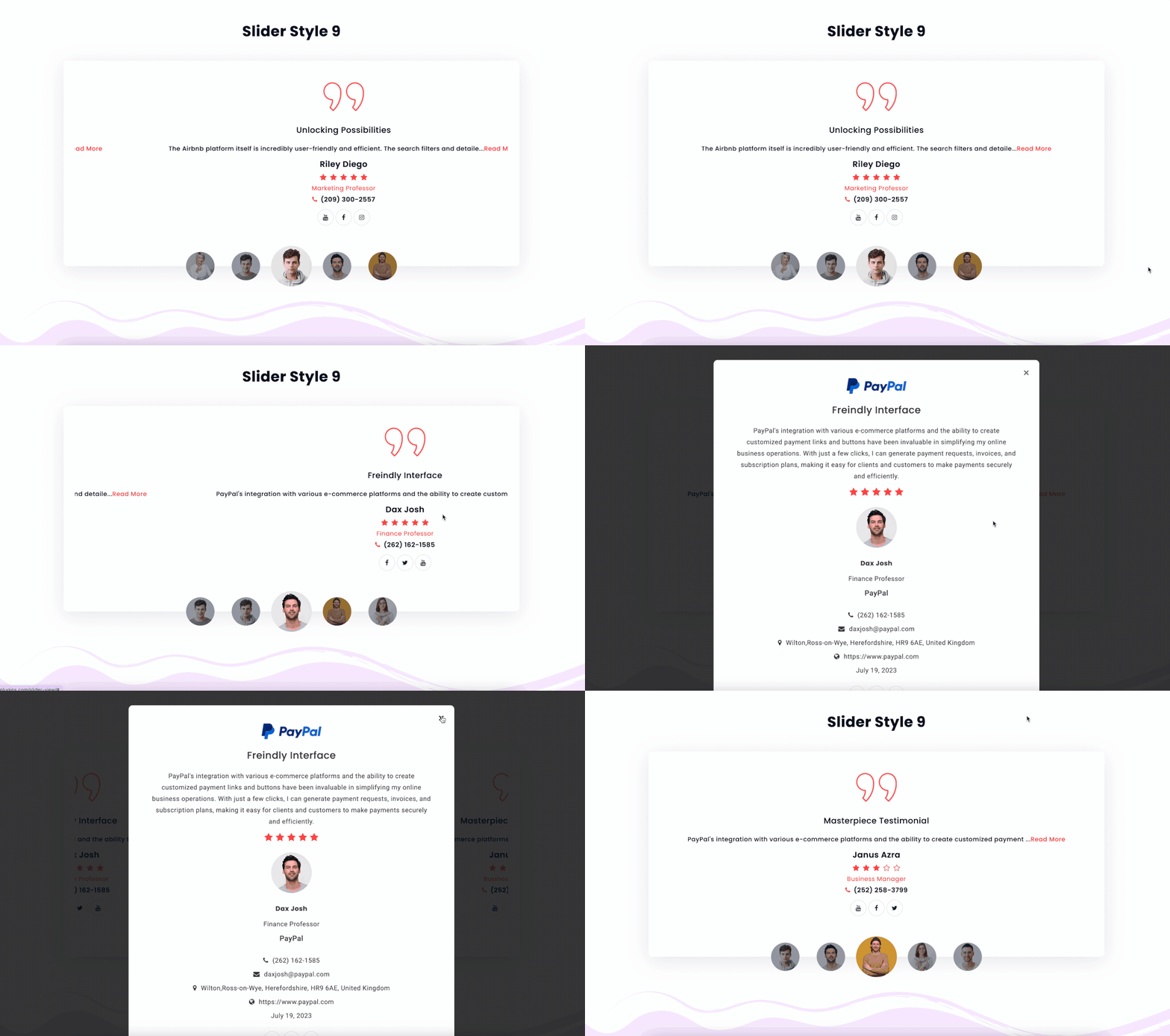
Additionally, the role of visuals in enhancing emotional connection cannot be underestimated. Testimonial carousels often use images or videos of customers, which can evoke emotions and make testimonials more relatable. Static reviews can also use visuals but may miss the dynamic element that carousels provide.
Overall, both formats have their strengths, but the design choices made can significantly impact user experience and trust-building.
Practical Considerations for Implementation
When setting up testimonial carousels, there are several technical aspects to consider. First, you may need specific plugins if you’re using a platform like WordPress, which can simplify the process without requiring extensive coding knowledge. However, if you’re comfortable with coding, you can create custom carousels using HTML, CSS, and JavaScript.
Additionally, ensuring a responsive design is crucial for mobile compatibility. Carousels should display correctly on various screen sizes, allowing users to navigate easily regardless of the device they’re using.
Implementing Static Reviews Effectively
To implement static reviews effectively, start by following best practices for layout and design. Use clear headings and sections to categorize testimonials, making it easier for users to navigate. A visually appealing layout, with high contrast and legible fonts, enhances the reading experience.
Optimizing for SEO is also essential. Use relevant keywords in the testimonials and include structured data to help search engines understand the content. This can improve your visibility in search results and attract more visitors.

A/B Testing: Determining Which Format Works Best for Your Audience
To find out which format resonates more with your audience, consider A/B testing. Start by setting up tests for each format—testimonial carousels and static reviews. Monitor user engagement metrics such as click-through rates, time spent on page, and bounce rates.
Analyzing Data
After running the tests for a sufficient period, analyze the data to see which format performed better. Look for trends and patterns in user behavior, and use this information to make informed decisions. Based on your findings, you can optimize your testimonials for maximum effectiveness, ensuring they effectively build trust and credibility with your audience.
A Few Examples
Let’s have a look at some examples of testimonial carousels and static feedback.
Testimonial Carousels in E-commerce Websites
One of the most effective uses of testimonial carousels is in e-commerce websites. For instance, a popular clothing retailer employs a testimonial carousel widget on its product pages, showcasing customer reviews and images of shoppers wearing their items. This not only highlights the product’s quality but also creates a sense of community and trust among potential buyers. The dynamic nature of the carousel keeps users engaged, prompting them to explore more products.

Testimonial Carousels in Service-Based Businesses
Service-based businesses, such as salons or fitness centers, also benefit from testimonial carousels. For example, a local gym might feature a testimonial carousel slider of success stories from members who achieved their fitness goals. By displaying before-and-after photos alongside testimonials, the gym not only builds credibility but also inspires potential clients to sign up. This engaging format encourages users to stay on the site longer, increasing the likelihood of conversion.
Static Reviews in Corporate Websites
Corporate websites often use static reviews to build trust with stakeholders. A financial consulting firm, for instance, might have a dedicated page featuring detailed testimonials from satisfied clients. These reviews, presented in a clean layout with accompanying professional images, provide potential clients with in-depth insights into the firm’s services. The fixed nature of these testimonials allows visitors to take their time reading, fostering a sense of transparency and reliability.
Static Reviews in Portfolio Sites
Freelancers and agencies frequently use static reviews to showcase their work. A graphic designer’s portfolio site might feature a section dedicated to client testimonials, formatted as quotes alongside project images. This not only highlights the designer’s skills but also reinforces the positive experiences of past clients. The straightforward format allows potential clients to absorb the information without distraction, making it easy for them to gauge the designer’s capabilities.
GS Solid Testimonials Plugin
The Solid Testimonials plugin by GS Plugins is an excellent tool for showcasing customer feedback on WordPress sites. Unlike many other testimonial plugins, GS Solid Testimonials specializes in displaying testimonials rather than gathering them, ensuring a focused and clean carousel presentation of positive reviews.
Users can easily add and customize testimonials using shortcodes, making it a straightforward solution for enhancing a website’s credibility. With options for filtering and categorizing testimonials, this plugin helps businesses present their best reviews effectively, boosting trust among potential customers.

Lessons Learned from Both Formats
Through various implementations of testimonial carousels and static reviews, several key takeaways emerge.
- Engagement Matters: Carousels often lead to higher engagement levels due to their interactive nature. However, they should be well-designed to avoid overwhelming users with too much information at once.
- Clarity and Transparency: Static reviews provide a sense of clarity and transparency, allowing users to absorb testimonials at their own pace. This format is particularly effective for building trust with potential clients.
- Tailoring to Audience Preferences: Analyzing user feedback and analytics can reveal preferences for one format over the other. A/B testing can help businesses understand which approach resonates better with their audience, leading to more effective trust-building strategies.
By learning from these examples, businesses can optimize their testimonial strategies to better connect with their audience and enhance their credibility.
FAQs
What is a testimonial carousel?
A testimonial carousel is a rotating slider that displays customer reviews one at a time, often with navigation arrows or auto-play to cycle through multiple testimonials.
What are static reviews?
Static reviews are fixed testimonials displayed on a page without movement. They remain visible at all times, making it easy for visitors to read multiple reviews quickly.
Which is better for engagement: testimonial carousels or static reviews?
Carousels grab attention with movement and are excellent for saving space, while static reviews provide immediate access to multiple testimonials. The best choice depends on your design and audience needs.
Do testimonial carousels affect website speed?
They can, since carousels rely on scripts and animations. Using optimized code and lightweight plugins helps prevent performance issues.
Should I use both carousels and static reviews?
Yes, many websites combine both. For example, a homepage might use a testimonial carousel to catch attention, while product or service pages display static reviews for quick reference.
Conclusion
In conclusion, both testimonial carousels and static reviews serve as valuable tools for showcasing customer feedback and enhancing credibility. Testimonial carousels offer a dynamic way to present multiple endorsements, while static reviews provide clarity and detailed insights.
Understanding your audience’s preferences is essential when choosing between these formats, as user engagement can vary significantly. We encourage businesses to experiment with both testimonial carousels and static reviews, monitoring their effectiveness through analytics and user feedback.
Ultimately, leveraging testimonials effectively can significantly boost trust and reliability, influencing potential customers’ decisions. By adapting your approach based on results, you can maximize the impact of testimonials in your marketing strategy.

Leave a Reply